English
- English
- Español
- Português
- русский
- Français
- 日本語
- Deutsch
- tiếng Việt
- Italiano
- Nederlands
- ภาษาไทย
- Polski
- 한국어
- Svenska
- magyar
- Malay
- বাংলা ভাষার
- Dansk
- Suomi
- हिन्दी
- Pilipino
- Türkçe
- Gaeilge
- العربية
- Indonesia
- Norsk
- تمل
- český
- ελληνικά
- український
- Javanese
- فارسی
- தமிழ்
- తెలుగు
- नेपाली
- Burmese
- български
- ລາວ
- Latine
- Қазақша
- Euskal
- Azərbaycan
- Slovenský jazyk
- Македонски
- Lietuvos
- Eesti Keel
- Română
- Slovenski
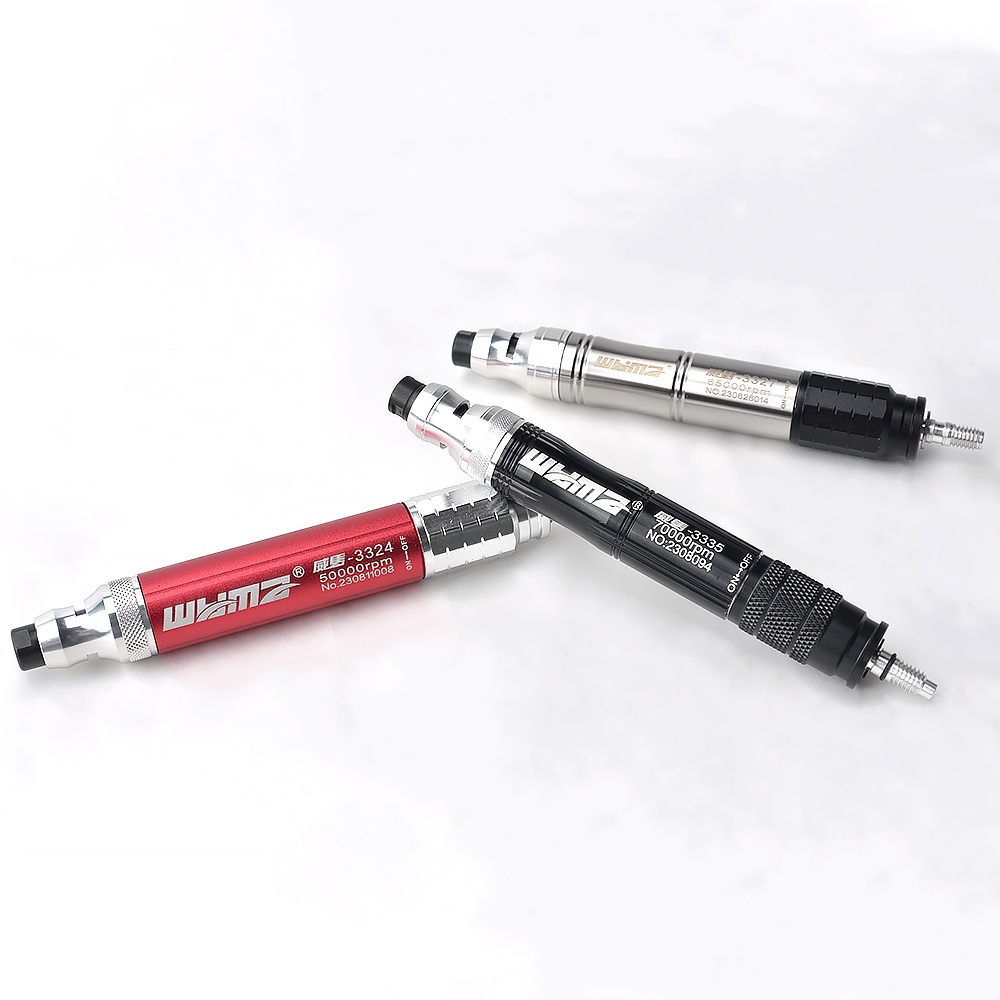
Do you know the precautions for using an air drill?
How to use an air drill safely?
Wear protective clothing and eye protection. Avoid loose clothing or dangling jewelry, as these can get caught on the drill bit when it's moving. Wear sunglasses or side shields to protect against the wind. 2. If you snore frequently, wear hearing protection. A hand-held air drill can be as loud as 90 decibels, which can be loud enough to cause headaches with prolonged use.

Most air drills are quiet and don't require hearing protection. Impact drills (hammer drills) are among the noisiest, exceeding 100 decibels. Hearing protection is essential when using an air drill.
Check your lungs as needed. Use a respirator if you're exposed to high levels of dust during work. Dust masks won't help you feel better in the short term. Wear a respirator if you cough frequently or for a prolonged period, or if your coughing involves exposure to substances known to be harmful to your health. • Each respirator is designed for specific types of hazards. Make sure you use the right drill bit for your project.
Choose a drill bit that suits your needs. Using the wrong drill bit can damage the drill bit or the material being drilled. You can use a regular drill bit for many types of wood; a masonry drill bit for stone, brick, or concrete; a high-speed steel (HSS) drill bit for most metals; and carbide or diamond drill bits for hard, corrosion-resistant surfaces such as porcelain, glass, or enameled tile.
Drill bits come in different designs. If you're unsure which drill bit to use, consult your drill's manual or the drill manufacturer. There's a simple way to find the right drill bit size when drilling. Place the screw behind the hole. The drill bit should cover the screw shaft, but the threads on both sides should be visible.
Securely insert the drill bit into the chuck. The chuck is the clamp on the "jaws" of the drill that holds it in place while it rotates. To change the drill bit end, turn off the drill (unplug it if it's already turned off) and twist the chuck to remove it. Depending on the type of drill bit you're using, you can do this manually or use a spindle wrench on or inside the handle.
Insert the part into the spindle and tighten it. Make sure the part is straight and remove the wrench before drilling. • Every arbor has a maximum size. Most drill bits worldwide have chuck sizes of 1/4 inch, 3/8 inch, or 1/2 inch. The drill bit shank should be smaller than this (but the tip can be larger). • Drill and observe how the part rotates in mid-air. If it wobbles from side to side (or looks like a fuzzy cone), the part is bent or deformed. Discard clogged drill bits, as they may be damaged during drilling.
Wrap smaller parts. If you are drilling a small, simple part, seal it tightly before drilling. Do not hold the part with one hand while drilling, as the drill bit may slip and cause injury.
Related News
- Why Is a Manual Air Pressure Spray Paint Tank the Best Choice for Consistent and Professional Coating Results
- How Can a 20L/5gal Pneumatic Grease Pump Improve Industrial Lubrication Efficiency
- How Can a Short Nozzle Air Blow Gun Improve Industrial Cleaning Efficiency and Precision
- How Can a 3/8 Inch Air Drill Improve Your Industrial Drilling Efficiency and Precision
- Is a 3/8 inch Air Drill the Best Choice for Precision and Power in Modern Workshop Applications
- Why Is a PP Plastic Pneumatic Diaphragm Pump the Ideal Solution for Chemical and Industrial Fluid Transfer
Leave me a message