English
- English
- Español
- Português
- русский
- Français
- 日本語
- Deutsch
- tiếng Việt
- Italiano
- Nederlands
- ภาษาไทย
- Polski
- 한국어
- Svenska
- magyar
- Malay
- বাংলা ভাষার
- Dansk
- Suomi
- हिन्दी
- Pilipino
- Türkçe
- Gaeilge
- العربية
- Indonesia
- Norsk
- تمل
- český
- ελληνικά
- український
- Javanese
- فارسی
- தமிழ்
- తెలుగు
- नेपाली
- Burmese
- български
- ລາວ
- Latine
- Қазақша
- Euskal
- Azərbaycan
- Slovenský jazyk
- Македонски
- Lietuvos
- Eesti Keel
- Română
- Slovenski
Why Is a Manual Air Pressure Spray Paint Tank the Best Choice for Consistent and Professional Coating Results
As a professional pneumatic tools manufacturer, WYMA provides reliable Manual Air Pressure Spray Paint Tank solutions designed for automotive refinishing, woodworking, metal fabrication, industrial maintenance, and furniture coating applications. With stable pressure control, efficient paint delivery, and durable construction, these tanks help users achieve uniform finishes while reducing material waste and improving productivity.
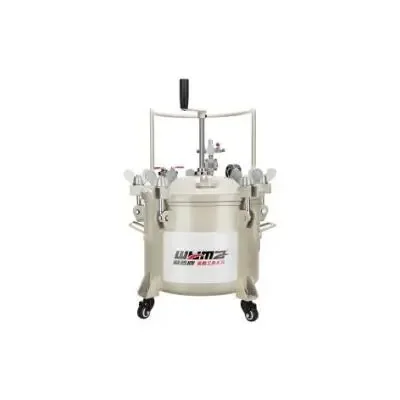
Table of Contents
- What Is a Manual Air Pressure Spray Paint Tank?
- How Does It Work?
- Key Advantages
- Industrial Applications
- Comparison Table
- How to Choose the Right Tank
- Maintenance Tips
- FAQ
- Contact Us
What Is a Manual Air Pressure Spray Paint Tank?
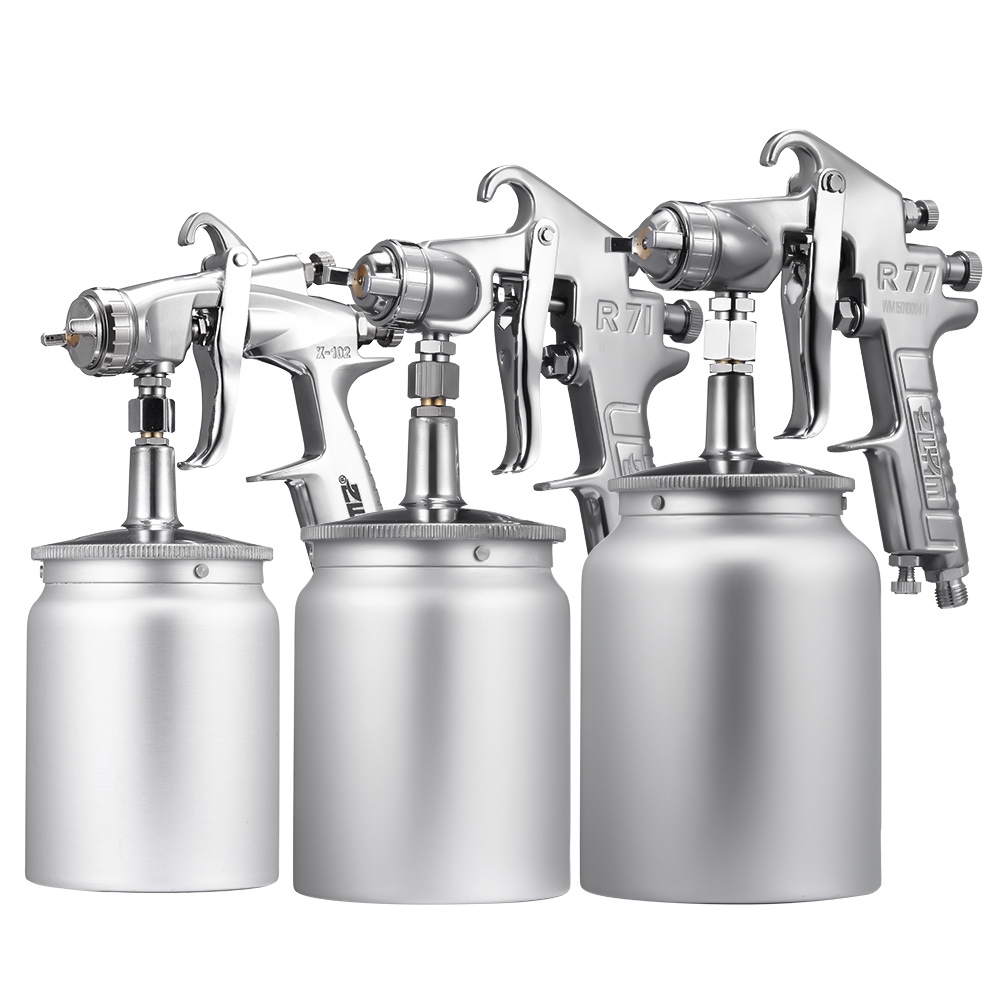
A Manual Air Pressure Spray Paint Tank is a pressurized container designed to supply paint continuously to a spray gun. Unlike traditional gravity-feed cups, pressure tanks hold larger amounts of coating materials and maintain stable pressure throughout the spraying process.
These systems are widely used for medium and large-scale painting projects because they allow operators to spray longer without interruption while achieving more consistent coating quality.
WYMA designs manual pressure tanks with durable metal construction, efficient regulators, and reliable sealing systems to ensure long service life and stable performance. The company's products are manufactured according to international quality standards and are suitable for industrial environments.
How Does a Manual Air Pressure Spray Paint Tank Work?
The operating principle is straightforward:
- Paint is placed inside the sealed tank.
- Compressed air enters through the regulator.
- Air pressure pushes paint through the fluid hose.
- The spray gun atomizes the paint onto the workpiece.
- The operator adjusts pressure for optimal spray patterns.
Most professional paint tanks begin at low pressure and gradually increase until the desired spray quality is achieved. Typical operating pressure ranges between 10–45 PSI depending on paint viscosity and spray gun type.
Key Advantages of a Manual Air Pressure Spray Paint Tank
1. Consistent Paint Delivery
Pressure-fed systems eliminate uneven paint flow, reducing streaks and improving coating uniformity.
2. Larger Paint Capacity
Compared with standard spray cups, pressure tanks hold significantly more material, reducing downtime caused by refilling.
3. Better Finish Quality
Stable pressure helps achieve smooth, professional finishes with less overspray.
4. Higher Efficiency
Operators can complete large jobs faster, increasing productivity in industrial environments.
5. Reduced Paint Waste
Optimized atomization minimizes excessive coating consumption. Modern spray systems can save significant paint usage compared with conventional methods.
Common Applications
- Automotive painting
- Furniture finishing
- Woodworking industries
- Metal coating
- Industrial equipment maintenance
- Construction painting
- Marine coating applications
Manual pressure tanks are particularly valuable when large surfaces require continuous coating with consistent quality.
Comparison Table
| Feature | Manual Air Pressure Spray Paint Tank | Gravity Feed Spray Cup |
|---|---|---|
| Paint Capacity | Large | Small |
| Continuous Operation | Excellent | Limited |
| Spray Consistency | High | Moderate |
| Refilling Frequency | Low | High |
| Suitable Projects | Industrial & Large Scale | Small Repairs |
| Efficiency | High | Medium |
How to Choose the Right Manual Air Pressure Spray Paint Tank
Selecting the correct tank depends on several factors:
- Tank Capacity: Match capacity to project size.
- Pressure Range: Ensure compatibility with spray guns.
- Material Compatibility: Consider paint viscosity.
- Safety Features: Pressure gauges and relief valves are essential.
- Durability: Choose corrosion-resistant materials.
- Maintenance Access: Easy cleaning extends equipment life.
Professional users should also evaluate supplier capabilities, certifications, spare parts support, and customization services.
Maintenance Tips for Longer Service Life
Proper maintenance ensures reliable operation:
- Release pressure completely after use.
- Clean hoses and spray guns immediately.
- Inspect seals and connectors regularly.
- Check pressure gauges for accuracy.
- Use suitable solvents for cleaning.
- Store equipment in a dry environment.
Industry manuals recommend removing all residual pressure before opening the tank and cleaning paint passages after each use to prevent clogging and ensure safe operation.
Frequently Asked Questions (FAQ)
1. What pressure is normally used in a Manual Air Pressure Spray Paint Tank?
Typical operating pressure ranges from 10 to 45 PSI, depending on paint type, spray gun, and application requirements. Always start at low pressure and increase gradually.
2. Can a Manual Air Pressure Spray Paint Tank be used for thick coatings?
Yes. Pressure tanks can handle a variety of coating materials, but thick paints may require thinning and proper pressure adjustments.
3. How often should the tank be cleaned?
Cleaning should be performed immediately after each use to prevent paint buildup and maintain spraying performance.
4. Why choose WYMA pressure tanks?
WYMA offers factory-direct supply, stable quality control, low MOQ options, customization services, and global delivery support for professional users.
Improve Your Coating Efficiency with WYMA
Choosing a high-quality Manual Air Pressure Spray Paint Tank can significantly improve coating consistency, productivity, and paint utilization. Whether you work in automotive refinishing, furniture manufacturing, industrial maintenance, or metal finishing, WYMA provides dependable pneumatic solutions tailored to your needs. If you are looking for a trusted China manufacturer and supplier of professional spray equipment, contact us today to receive expert recommendations, customization services, and competitive factory pricing.
Related News
- How Can a 20L/5gal Pneumatic Grease Pump Improve Industrial Lubrication Efficiency
- How Can a Short Nozzle Air Blow Gun Improve Industrial Cleaning Efficiency and Precision
- How Can a 3/8 Inch Air Drill Improve Your Industrial Drilling Efficiency and Precision
- Is a 3/8 inch Air Drill the Best Choice for Precision and Power in Modern Workshop Applications
- Why Is a PP Plastic Pneumatic Diaphragm Pump the Ideal Solution for Chemical and Industrial Fluid Transfer
- Why Is an Air Right Angle Screwdriver the Best Choice for Fastening in Tight Spaces
Leave me a message