English
- English
- Español
- Português
- русский
- Français
- 日本語
- Deutsch
- tiếng Việt
- Italiano
- Nederlands
- ภาษาไทย
- Polski
- 한국어
- Svenska
- magyar
- Malay
- বাংলা ভাষার
- Dansk
- Suomi
- हिन्दी
- Pilipino
- Türkçe
- Gaeilge
- العربية
- Indonesia
- Norsk
- تمل
- český
- ελληνικά
- український
- Javanese
- فارسی
- தமிழ்
- తెలుగు
- नेपाली
- Burmese
- български
- ລາວ
- Latine
- Қазақша
- Euskal
- Azərbaycan
- Slovenský jazyk
- Македонски
- Lietuvos
- Eesti Keel
- Română
- Slovenski
Why Is a PP Plastic Pneumatic Diaphragm Pump the Ideal Solution for Chemical and Industrial Fluid Transfer
In modern industrial environments, fluid handling systems must deliver reliability, chemical resistance, safety, and cost efficiency. The PP Plastic Pneumatic Diaphragm Pump has become one of the most trusted solutions for transferring corrosive chemicals, wastewater, acids, alkalis, solvents, slurries, and other challenging fluids. As a professional fluid transfer equipment manufacturer, WYMA provides high-quality PP Plastic Pneumatic Diaphragm Pump solutions designed for demanding industrial operations.
This comprehensive guide explores how PP plastic pneumatic diaphragm pumps work, their advantages, technical features, application industries, selection considerations, maintenance requirements, and why they continue to outperform many conventional pumping technologies.
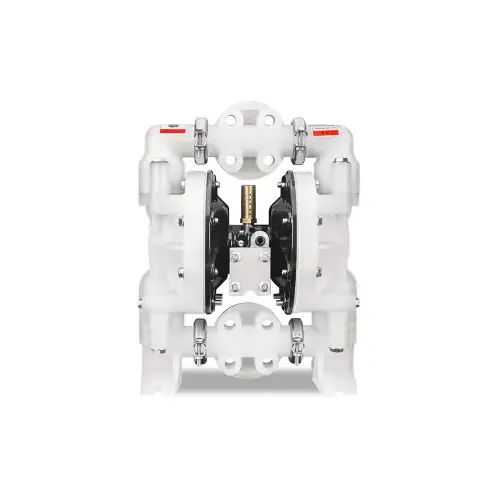
Table of Contents
- What Is a PP Plastic Pneumatic Diaphragm Pump?
- How Does a PP Plastic Pneumatic Diaphragm Pump Work?
- Key Advantages of PP Plastic Pneumatic Diaphragm Pumps
- Technical Features and Specifications
- Major Industrial Applications
- Comparison with Other Pump Types
- How to Select the Right PP Plastic Pneumatic Diaphragm Pump
- Maintenance Best Practices
- Future Trends in Pneumatic Diaphragm Pump Technology
- Frequently Asked Questions
- Conclusion
What Is a PP Plastic Pneumatic Diaphragm Pump?
A PP Plastic Pneumatic Diaphragm Pump is an air-operated positive displacement pump constructed primarily from polypropylene (PP) material. The pump uses compressed air to drive flexible diaphragms that create suction and discharge cycles for moving liquids.
Polypropylene construction offers excellent resistance against corrosive chemicals while maintaining a lightweight and cost-effective design. Unlike electric pumps, pneumatic diaphragm pumps operate without electrical components, making them highly suitable for hazardous and explosive environments.
These pumps are commonly used for:
- Chemical transfer
- Acid and alkali handling
- Wastewater treatment
- Paint and coating applications
- Food processing support systems
- Mining slurry transportation
- Industrial cleaning systems
How Does a PP Plastic Pneumatic Diaphragm Pump Work?
The operating principle is relatively simple yet highly effective.
- Compressed air enters the air valve chamber.
- The air valve directs pressure behind one diaphragm.
- The diaphragm moves outward, creating suction.
- Fluid enters through the inlet check valve.
- The opposite diaphragm simultaneously pushes fluid out through the discharge valve.
- The air valve switches automatically and repeats the cycle.
This reciprocating action creates a continuous pumping process capable of handling both low-viscosity and high-viscosity fluids.
Because the fluid remains isolated from moving mechanical parts, contamination risk is significantly reduced.
Key Advantages of PP Plastic Pneumatic Diaphragm Pumps
Excellent Chemical Resistance
Polypropylene provides outstanding resistance against a wide range of aggressive chemicals, including:
- Sulfuric acid
- Hydrochloric acid
- Sodium hydroxide
- Industrial detergents
- Chemical reagents
Self-Priming Capability
The pump can self-prime without requiring additional priming equipment, simplifying installation and operation.
Dry Running Protection
Unlike centrifugal pumps, pneumatic diaphragm pumps can safely run dry without causing internal damage.
Explosion-Proof Operation
Since operation relies on compressed air rather than electricity, these pumps are suitable for hazardous environments where flammable liquids or gases are present.
Handling of Solids and Slurries
The pump can transfer liquids containing suspended solids, making it suitable for wastewater and mining applications.
Low Maintenance Requirements
Fewer moving parts result in reduced wear and lower maintenance costs over the pump's lifecycle.
Technical Features and Specifications
| Feature | Description | Benefit |
|---|---|---|
| Pump Body Material | Polypropylene (PP) | Excellent corrosion resistance |
| Power Source | Compressed Air | Explosion-proof operation |
| Self-Priming | Yes | Easy startup |
| Dry Run Capability | Supported | Reduced equipment damage |
| Solid Passage | Handles suspended particles | Suitable for slurry transfer |
| Flow Control | Adjustable through air pressure | Flexible operation |
| Maintenance | Minimal moving parts | Lower maintenance costs |
Major Industrial Applications
Chemical Processing Industry
Chemical plants frequently transfer aggressive liquids that can damage conventional pump materials. PP plastic pneumatic diaphragm pumps provide reliable performance and long service life in these environments.
Water and Wastewater Treatment
Municipal and industrial treatment facilities use diaphragm pumps for transferring sludge, chemicals, and wastewater streams.
Mining Industry
Mining operations often require the movement of abrasive slurries and chemical reagents. Pneumatic diaphragm pumps excel under these demanding conditions.
Paint and Coating Manufacturing
The gentle pumping action prevents product degradation while maintaining consistent transfer rates.
Electronics Manufacturing
Many electronics facilities use diaphragm pumps to transfer cleaning agents, acids, and specialty chemicals during production processes.
Pharmaceutical and Laboratory Support
Certain non-sterile fluid transfer operations benefit from the contamination-resistant design of diaphragm pumps.
Comparison with Other Pump Types
| Criteria | PP Pneumatic Diaphragm Pump | Centrifugal Pump | Gear Pump |
|---|---|---|---|
| Chemical Resistance | Excellent | Moderate | Moderate |
| Dry Running | Safe | Not Recommended | Not Recommended |
| Self-Priming | Yes | Limited | Yes |
| Solid Handling | Excellent | Limited | Poor |
| Explosion Safety | Excellent | Requires Protection | Requires Protection |
| Maintenance Cost | Low | Medium | High |
How to Select the Right PP Plastic Pneumatic Diaphragm Pump
When selecting a suitable pump, evaluate the following factors:
Fluid Characteristics
- Viscosity
- Temperature
- Chemical composition
- Solid content
Flow Rate Requirements
Determine the required throughput to ensure the selected pump meets operational demands.
Pressure Requirements
Verify discharge pressure requirements before selecting pump size and diaphragm specifications.
Material Compatibility
Ensure polypropylene and diaphragm materials are compatible with the target fluid.
Installation Environment
Consider factors such as temperature, humidity, hazardous area classification, and available air supply.
Maintenance Best Practices
Following proper maintenance procedures can significantly extend service life.
- Inspect diaphragms regularly.
- Check air valve performance.
- Monitor inlet and outlet connections.
- Replace worn seals promptly.
- Maintain clean compressed air supply.
- Inspect check balls and valve seats.
- Perform periodic leak testing.
Preventive maintenance reduces downtime and improves overall operational efficiency.
Future Trends in Pneumatic Diaphragm Pump Technology
As industrial automation continues to advance, pneumatic diaphragm pump technology is evolving to deliver greater efficiency and reliability.
Key trends include:
- Smart monitoring systems
- Predictive maintenance integration
- Enhanced diaphragm materials
- Improved air efficiency designs
- Digital flow monitoring capabilities
- Reduced lifecycle operating costs
Manufacturers are increasingly focusing on sustainability, energy efficiency, and improved chemical compatibility to meet future industrial demands.
Frequently Asked Questions
1. What makes PP plastic suitable for pneumatic diaphragm pumps?
Polypropylene offers excellent chemical resistance, lightweight construction, affordability, and durability, making it ideal for corrosive fluid applications.
2. Can a PP Plastic Pneumatic Diaphragm Pump run dry?
Yes. One of its major advantages is the ability to operate safely without liquid for short or extended periods without significant damage.
3. Are pneumatic diaphragm pumps suitable for hazardous environments?
Yes. Because they are powered by compressed air instead of electricity, they are widely used in explosive and flammable environments.
4. Can these pumps handle abrasive slurries?
Yes. Properly configured diaphragm pumps can transfer liquids containing suspended solids and abrasive particles.
5. What industries commonly use PP Plastic Pneumatic Diaphragm Pumps?
Chemical processing, wastewater treatment, mining, coatings, electronics manufacturing, and industrial cleaning sectors frequently use these pumps.
6. How often should diaphragms be replaced?
Replacement intervals depend on operating conditions, fluid characteristics, and usage frequency. Routine inspections help determine optimal replacement schedules.
Conclusion
The PP Plastic Pneumatic Diaphragm Pump continues to be one of the most versatile and dependable fluid transfer solutions available for modern industries. Its combination of chemical resistance, self-priming capability, dry-run protection, explosion-proof operation, and low maintenance requirements makes it an excellent choice for demanding applications involving corrosive chemicals, slurries, wastewater, and industrial process fluids.
Whether you are upgrading an existing fluid handling system or designing a new industrial process, selecting a high-quality diaphragm pump can significantly improve operational efficiency, safety, and reliability. If you are looking for professional guidance or customized pumping solutions, contact us today. The experienced team at WYMA is ready to help you choose the most suitable PP Plastic Pneumatic Diaphragm Pump for your application and provide reliable support for your business success.
Related News
- Why Is a Manual Air Pressure Spray Paint Tank the Best Choice for Consistent and Professional Coating Results
- How Can a 20L/5gal Pneumatic Grease Pump Improve Industrial Lubrication Efficiency
- How Can a Short Nozzle Air Blow Gun Improve Industrial Cleaning Efficiency and Precision
- How Can a 3/8 Inch Air Drill Improve Your Industrial Drilling Efficiency and Precision
- Is a 3/8 inch Air Drill the Best Choice for Precision and Power in Modern Workshop Applications
- Why Is an Air Right Angle Screwdriver the Best Choice for Fastening in Tight Spaces
Leave me a message