Lubrication looks simple until it starts slowing down production, wasting grease, or leaving critical points half-serviced. That is where a Pneumatic Grease Pump becomes more than a workshop accessory. It turns a repetitive, messy, high-effort task into a cleaner and more controlled process. Whether you manage fleet maintenance, agricultural equipment, industrial machinery, or a busy repair bay, the right pump can reduce labor strain, improve consistency, and help you avoid the hidden cost of poor lubrication.
In practical terms, buyers are not just asking what a Pneumatic Grease Pump is. They are asking harder questions: Will it handle thick grease in cold weather? Will it keep up with daily volume? Will it reduce downtime instead of adding another maintenance headache? This article answers those concerns directly and shows what really matters before you buy.
A Pneumatic Grease Pump uses compressed air to deliver grease with less physical effort and more stable output than manual methods. It is especially useful when lubrication must be repeated often, applied across multiple points, or pushed through long hoses and demanding systems. In this guide, we break down how it works, where it performs best, what pain points it solves, how to compare options, and which mistakes buyers should avoid. We also explain why stable output, grease compatibility, mobility, and serviceability matter more than chasing the lowest price.
- Define the real pain points behind lubrication work
- Explain how a Pneumatic Grease Pump improves speed, consistency, and operator comfort
- Compare typical usage scenarios across industries
- Show the key buying criteria in plain language
- Identify common selection mistakes that hurt long-term value
- Share practical maintenance tips to keep the pump reliable
What makes lubrication harder than it should be
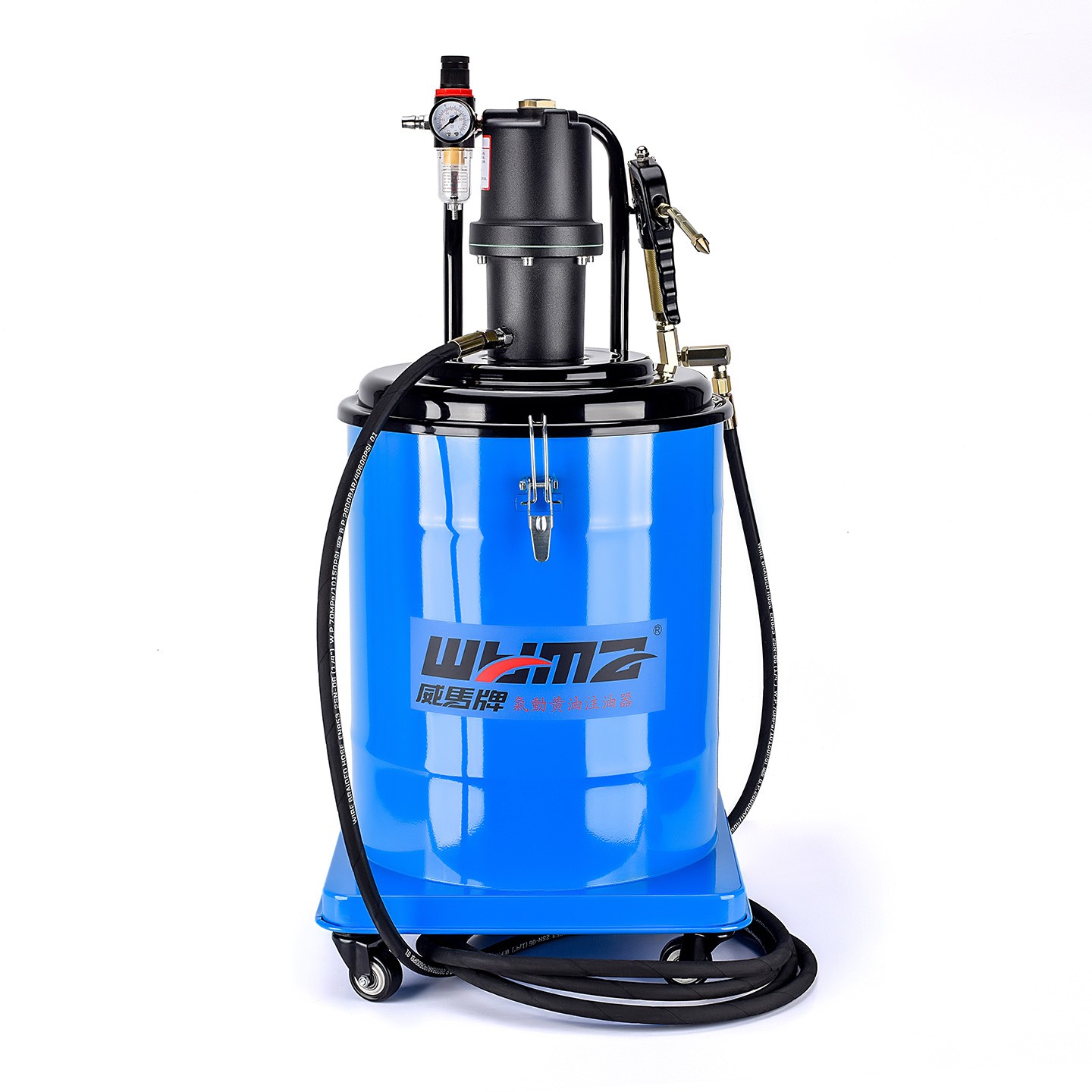
Many lubrication problems are not caused by grease alone. They usually come from the way grease is delivered. In smaller workshops, manual tools may seem acceptable at first. But once the number of service points rises, or the grease becomes thicker, or the equipment is harder to access, the process becomes slow and inconsistent.
Operators often run into the same frustrations again and again. One machine needs frequent greasing, another has fittings that are awkwardly placed, and another demands enough pressure that a manual setup becomes exhausting. When technicians are forced to fight the tool, quality drops. Some points get too little grease, some get too much, and some are skipped because they take too much time.
This is why buyers start looking beyond simple entry-level tools. They want a solution that feels easier to use at 10 a.m. and still performs at 5 p.m. under the same workload. A well-matched Pneumatic Grease Pump helps solve that exact issue by replacing repeated manual force with air-powered delivery.
- Manual greasing takes too long across multiple lubrication points
- Thick grease is difficult to push consistently
- Operators get fatigued during repetitive maintenance work
- Grease is wasted because the output is uneven or uncontrolled
- Downtime increases when lubrication is delayed or incomplete
- Cheap pumps become difficult to clean, repair, or move around
Why a Pneumatic Grease Pump changes daily work
The biggest advantage of a Pneumatic Grease Pump is not that it sounds more advanced. It is that it makes lubrication more repeatable. Compressed air provides the driving force, so the operator no longer depends on constant hand pressure to complete the job. That matters in every environment where maintenance must be fast, frequent, and physically manageable.
In real use, this brings three practical improvements. First, output becomes more stable. Second, work becomes less tiring. Third, lubrication jobs that used to be postponed are more likely to be completed on time. Those three changes alone can improve maintenance discipline across an entire shop floor.
| Type | Main Advantage | Main Limitation | Best Fit |
|---|---|---|---|
| Manual grease tool | Low initial cost and simple setup | Higher operator effort and slower output | Light-duty or occasional lubrication |
| Pneumatic Grease Pump | Faster, steadier delivery with reduced fatigue | Needs stable compressed air supply | Repair shops, fleet service, industrial maintenance, agriculture |
| Electric grease system | Good for certain fixed workflows | Power dependency and less flexibility in some mobile environments | Specific indoor setups with defined service routines |
Another overlooked benefit is cleanliness. A stronger and more stable delivery method can help reduce awkward pumping motions, frequent refilling interruptions, and accidental over-application. That makes the work area easier to manage and the service result easier to control.
At Foshan WYMA Pneumatic Tools Co., Ltd., the appeal of this type of equipment is easy to understand because buyers are not simply buying a pump body. They are buying smoother workflow, less operator strain, and more confidence that lubrication will actually get done when it needs to.
Which applications benefit most from a Pneumatic Grease Pump
Not every user needs the same setup, but several kinds of operations benefit quickly from air-powered grease delivery. The first is any business with repeated lubrication schedules. The second is any environment where grease must be applied under pressure or across multiple service points. The third is any team trying to improve maintenance efficiency without making the process more complicated.
| Application | Typical Challenge | Why a Pneumatic Grease Pump Helps |
|---|---|---|
| Auto repair and fleet maintenance | Frequent servicing and limited time per vehicle | Speeds up repeated lubrication tasks and reduces technician fatigue |
| Agricultural equipment | Dust, heavy use, seasonal intensity | Supports regular greasing during demanding work cycles |
| Industrial machinery | Multiple points and routine preventive maintenance | Improves consistency across scheduled service work |
| Construction and heavy equipment | Large machines and harder-to-reach fittings | Provides easier delivery where manual pumping becomes tiring |
| Workshops with several operators | Inconsistent lubrication habits | Creates a more standardized maintenance process |
A good rule is simple. If lubrication is occasional and light, a basic solution may be enough. But if lubrication is part of your daily workflow, a Pneumatic Grease Pump usually pays for itself through better efficiency and fewer shortcuts.
How to choose the right model without guessing
Buyers often focus on price first because it feels like the safest way to compare options. In practice, that is where many poor decisions begin. A pump that looks inexpensive on day one can become costly if it struggles with your grease grade, delivers weak output, or slows technicians down every week.
Start with the actual working conditions. Think about the grease you use, the number of lubrication points you service, the frequency of use, and whether the pump needs to move around the workshop. Then look at the features that directly affect daily performance.
- Grease compatibility: Make sure the pump matches the grease consistency you actually use
- Output stability: A pump should deliver smoothly enough for repeated, reliable service
- Capacity: Larger capacity helps reduce refill interruptions in busy environments
- Mobility: Wheels, handle design, and overall layout matter if the unit must move often
- Hose and gun usability: Comfort and control matter more than many buyers expect
- Serviceability: Seals, connectors, and replacement parts should not be difficult to manage
- Air supply match: The pump should suit the compressed air conditions already available on site
If your workshop handles several jobs a day, capacity and ease of movement become important quickly. If your environment deals with heavier grease or lower temperatures, grease compatibility and pressure become more critical. The best choice is not the most complicated one. It is the model that fits your real service rhythm.
What buying mistakes create extra cost later
The most common mistake is buying for the catalog photo instead of the job. A pump may look durable, but if it does not match the grease, the work frequency, or the operator's routine, it turns into an obstacle. Another mistake is assuming all pumps feel the same in use. They do not. Small details such as hose handling, wheel movement, refill convenience, and trigger comfort make a real difference over time.
Buyers also underestimate after-sales practicality. If a unit is difficult to maintain, clean, or troubleshoot, it may sit unused even though it technically still works. That defeats the whole purpose of upgrading from a manual setup.
| Common Mistake | What Happens After Purchase | Smarter Approach |
|---|---|---|
| Choosing only by price | Low output, short service life, poor user experience | Compare daily value, not just upfront cost |
| Ignoring grease type | Poor pumping performance or inconsistent flow | Confirm compatibility before ordering |
| Buying undersized capacity | Too many refill interruptions | Match capacity to your workload |
| Overlooking mobility | More effort moving the unit than using it | Check wheel design and handling needs |
| Not asking about support | Longer downtime when parts wear out | Choose a supplier that responds clearly and consistently |
The right Pneumatic Grease Pump should feel like a practical upgrade, not another piece of equipment your team avoids using.
How to get better performance after purchase
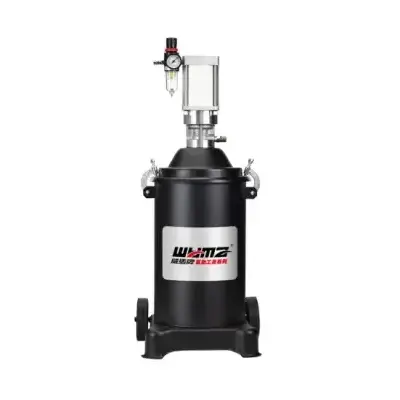
Even a strong pump performs poorly if daily habits are sloppy. A few simple practices can protect performance and keep the tool dependable. Keep air supply stable, use grease that matches the pump, inspect hose and fittings regularly, and avoid letting contamination enter during refilling. These steps sound basic because they are basic, but they are also what separate a pump that keeps working from one that causes constant irritation.
Operator training matters too. A maintenance tool works best when everyone uses it the same way. If one technician knows the proper sequence and another improvises every time, output quality becomes inconsistent again. Standardizing the process brings more value than many buyers expect.
- Keep the air line clean and properly connected
- Store grease and pump components in a clean environment
- Inspect wear parts before performance drops dramatically
- Train operators to avoid over-greasing and rushed handling
- Review actual usage after purchase and adjust capacity decisions for future orders
Conclusion
A Pneumatic Grease Pump is not just for larger operations or technical buyers. It is for anyone tired of slow, uneven, labor-heavy lubrication. When the right model is matched to the actual workload, it improves consistency, reduces operator effort, and makes routine maintenance easier to complete on schedule.
That is the real reason buyers move toward air-powered systems. They want lubrication to stop being a bottleneck. They want fewer interruptions, cleaner application, and more confidence in every service cycle. If that sounds like your situation, then the smartest next step is not to ask which pump is cheapest. It is to ask which one will keep your work moving with less friction, less waste, and fewer excuses.
FAQ
1. Is a Pneumatic Grease Pump better than a manual grease tool?
It is usually better for repeated, high-frequency, or labor-intensive lubrication work. Manual tools still suit light-duty use, but a Pneumatic Grease Pump is often the better choice when you need faster output and less operator fatigue.
2. What should I check first before buying a Pneumatic Grease Pump?
Start with your grease type, workload, available compressed air, and how often the pump must be moved. Those four points will narrow the right choice much faster than price alone.
3. Which industries commonly use Pneumatic Grease Pump systems?
Auto repair, fleet maintenance, agricultural equipment service, industrial machinery maintenance, and construction equipment support are all strong use cases because lubrication is frequent and consistency matters.
4. Can a Pneumatic Grease Pump help reduce grease waste?
Yes, it can help by improving output control and reducing the uneven pumping behavior often seen with manual methods. The result is usually cleaner application and fewer unnecessary losses.
5. Why does after-sales support matter for this kind of product?
Because lubrication tools are used in real working environments, not showroom conditions. When seals, fittings, or accessories need replacement, clear support and easier serviceability reduce downtime and protect long-term value.
Need a Pneumatic Grease Pump that fits your actual workload
If you are comparing options and want a solution that matches your grease type, work frequency, and operating environment, it helps to talk with a supplier that understands real maintenance scenarios instead of giving you a one-size-fits-all answer.
Foshan WYMA Pneumatic Tools Co., Ltd. can help you evaluate the right direction for your application, whether you need a more efficient setup for workshop use, industrial service, or routine equipment maintenance. Contact us to discuss your requirements and get a practical recommendation for your next Pneumatic Grease Pump.