English
- English
- Español
- Português
- русский
- Français
- 日本語
- Deutsch
- tiếng Việt
- Italiano
- Nederlands
- ภาษาไทย
- Polski
- 한국어
- Svenska
- magyar
- Malay
- বাংলা ভাষার
- Dansk
- Suomi
- हिन्दी
- Pilipino
- Türkçe
- Gaeilge
- العربية
- Indonesia
- Norsk
- تمل
- český
- ελληνικά
- український
- Javanese
- فارسی
- தமிழ்
- తెలుగు
- नेपाली
- Burmese
- български
- ລາວ
- Latine
- Қазақша
- Euskal
- Azərbaycan
- Slovenský jazyk
- Македонски
- Lietuvos
- Eesti Keel
- Română
- Slovenski
How Can an Air Impact Wrench Improve Fastening Efficiency Without Sacrificing Control?
Article Summary
Choosing the right air impact wrench is not only about raw power. Buyers often struggle with slow fastening speed, stubborn bolts, operator fatigue, inconsistent torque, and tool durability in demanding workshops. This article explains how an air impact wrench solves these real-world problems, what specifications matter most, and how to match the right model to automotive repair, equipment maintenance, assembly work, and industrial production. It also explores practical selection tips, common buying mistakes, maintenance basics, and the value a reliable supplier can bring to daily operations.
Table of Contents
- Outline
- What Pain Points Do Buyers Usually Face With Fastening Tools
- What Makes an Air Impact Wrench Different From Manual and Electric Options
- Which Specifications Matter Most Before You Buy
- How Do Different Working Scenarios Require Different Tool Choices
- What Mistakes Should Buyers Avoid When Selecting an Air Impact Wrench
- How Can Proper Maintenance Extend Tool Life
- Why Does Supplier Capability Matter as Much as Tool Performance
- What Should You Expect From a Good Air Impact Wrench Supplier
- FAQ
Outline
- Understanding the most common fastening challenges in real work environments
- Comparing air impact wrenches with other fastening solutions
- Breaking down torque, drive size, bolt capacity, air supply, and ergonomics
- Matching the right tool to automotive, industrial, and maintenance applications
- Identifying costly purchasing mistakes before they happen
- Improving lifespan and reliability through simple maintenance habits
- Evaluating the value of manufacturing support, customization, and communication
In many workshops, the decision to invest in a better Air Impact Wrench usually comes after the same frustrations appear again and again: bolts that will not loosen, jobs that take longer than they should, hands that get tired too quickly, and tools that feel powerful on paper but disappointing in actual use. For buyers who want a practical answer instead of marketing noise, the better approach is to focus on daily performance, control, service life, and application fit. That is exactly where companies such as Foshan WYMA Pneumatic Tools Co., Ltd. become relevant, because buyers are not just comparing tools, they are comparing how smoothly real work gets done.
What Pain Points Do Buyers Usually Face With Fastening Tools
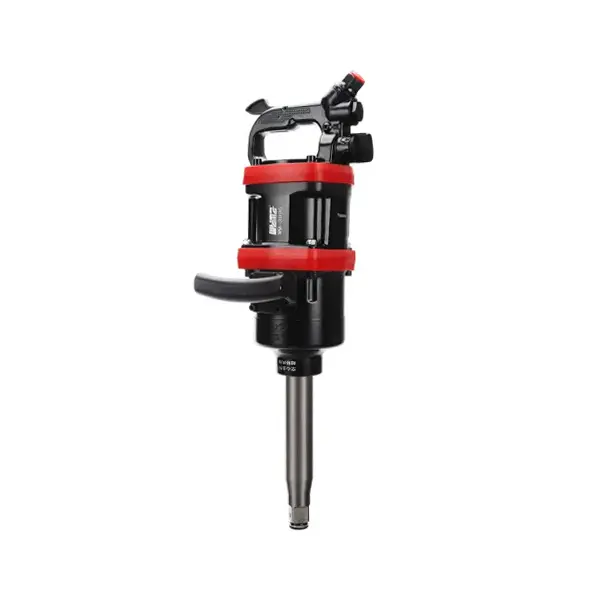
Most customers do not start searching for a new tool because they want something fashionable. They start looking because existing fastening tools are slowing down production or creating avoidable risk. In automotive repair, seized wheel nuts and rusted suspension bolts can turn a simple task into a drawn-out struggle. In production lines, weak or inconsistent tools create uneven assembly quality. In heavy-duty maintenance, insufficient torque can delay service schedules and increase downtime.
Another pain point is operator strain. When a tool is too heavy, poorly balanced, or difficult to control, it causes fatigue over long working hours. That fatigue affects not only comfort but also productivity and accuracy. A fastening tool should reduce workload, not add to it.
Noise, vibration, limited access in tight spaces, and unreliable durability also remain frequent complaints. This is why buyers increasingly care about more than just maximum torque. They want a tool that performs repeatedly, feels manageable in the hand, fits the working environment, and supports faster throughput without sacrificing safety.
| Common Buyer Problem | Typical Result | Why It Matters |
|---|---|---|
| Insufficient torque | Bolts remain stuck or under-tightened | Leads to rework, delays, and operator frustration |
| Overly heavy tool body | Rapid hand and wrist fatigue | Reduces productivity during long shifts |
| Poor control in reverse and forward operation | Damaged fasteners or inconsistent results | Affects finish quality and operational safety |
| Weak durability | Frequent repairs or early replacement | Raises total operating cost |
| Wrong size selection | Tool cannot match application demand | Creates performance mismatch from day one |
What Makes an Air Impact Wrench Different From Manual and Electric Options
The main reason many professionals still prefer an Air Impact Wrench is simple: it delivers strong rotational force in a compact form while staying suitable for repetitive work. Manual tools require far more physical effort and time. Electric tools can be convenient, but some buyers still prefer pneumatic systems in workshops where compressed air is already part of daily operations.
An air impact wrench works by converting compressed air into rotational motion and then into repeated striking force through its internal impact mechanism. That burst-style torque is what helps loosen stubborn fasteners that would otherwise resist steady turning force. This matters when operators face rusted bolts, high-torque assembly requirements, or continuous maintenance work.
Beyond power, pneumatic tools are often valued for responsiveness, simplicity in certain workshop environments, and suitability for production settings where uptime matters. When the right model is chosen, users can finish repetitive fastening jobs faster while maintaining better efficiency over the course of a shift.
- Manual tools rely heavily on operator strength and time
- Many electric tools are convenient but may not match all industrial air-system setups
- An Air Impact Wrench is especially attractive where speed, repetition, and torque matter every day
- Impact action helps with seized or high-resistance fasteners
Which Specifications Matter Most Before You Buy
Buyers often make one of two mistakes: they either focus only on maximum torque, or they choose based on price alone. A smarter decision comes from looking at the full specification picture.
First, torque should match the actual fastening or loosening demand. Too little torque means the tool cannot handle the job. Too much torque for light-duty work can make control more difficult and may risk damaging threads or components.
Second, square drive size matters because it affects both socket compatibility and application range. Smaller drive sizes are better for lighter work and tighter spaces, while larger drive sizes support heavier tasks and stronger torque output.
Third, buyers should examine bolt capacity and air consumption. A good tool must fit the fastener sizes commonly used in the workshop and operate efficiently with the available air supply. Ergonomics should also never be ignored. Trigger feel, grip comfort, balance, noise reduction, and forward-reverse adjustment all influence daily usability.
| Specification | Why It Matters | What Buyers Should Check |
|---|---|---|
| Max Torque | Determines loosening and tightening capability | Match it with your toughest fastening task |
| Square Drive Size | Affects socket compatibility and application range | Choose according to your usual socket system |
| Bolt Capacity | Shows the practical fastener size range | Make sure it fits your real working needs |
| Weight and Balance | Influences operator fatigue | Important for long shifts or repeated use |
| Air Consumption | Determines compatibility with compressor setup | Confirm workshop air supply can support it |
| Torque Adjustment | Helps control different applications | Useful for preventing overtightening |
How Do Different Working Scenarios Require Different Tool Choices
Not every buyer needs the same tool, even when they all search for an Air Impact Wrench. The right answer depends on where and how the tool will be used.
In automotive repair, mechanics usually need a balance between torque, weight, and maneuverability. Tire service, suspension work, and engine bay tasks all require dependable output, but technicians also need a tool that is comfortable enough for repeated use.
In industrial assembly, consistency often matters more than sheer force. Buyers may prioritize stable operation, manageable tool body weight, and adjustable torque settings that help improve process control.
In heavy equipment maintenance or construction-related service, demand shifts toward larger drive sizes and stronger torque. Fasteners are larger, resistance is higher, and conditions are often tougher.
In confined spaces, tool form becomes a critical factor. A straight, regular tool may not fit where a right-angle or ratchet-style alternative works better. That is why application-based selection usually saves more money than chasing the strongest number on a product chart.
- Automotive repair: good balance of torque, comfort, and speed
- Assembly lines: repeatable performance and easy control
- Heavy-duty maintenance: stronger torque and larger drive size
- Tight working spaces: compact structure or specialized angle design
What Mistakes Should Buyers Avoid When Selecting an Air Impact Wrench
One common mistake is assuming that more torque always means a better purchase. In reality, excessive torque can reduce control for lighter applications and may create unnecessary wear on sockets and fasteners. Another mistake is overlooking the air system behind the tool. Even a strong wrench may perform poorly if the compressor, hose, or fittings cannot support the required airflow.
Some buyers also underestimate the importance of operator comfort. A tool used for five minutes may feel fine, but a tool used for hours tells a different story. Grip shape, trigger design, exhaust direction, and vibration control all affect how the tool feels in real work.
Another expensive error is choosing a tool without thinking about long-term parts support, customization needs, or supplier communication. Purchasing is not only about receiving a box. It is about whether the product continues to serve the workshop after it arrives.
| Mistake | Why It Happens | Better Approach |
|---|---|---|
| Buying only by torque number | Power seems like the easiest comparison point | Compare torque together with application, weight, and control |
| Ignoring air supply conditions | Tool spec is checked but system match is forgotten | Confirm compressor and hose setup before ordering |
| Choosing the wrong drive size | Socket compatibility is overlooked | Match the wrench to your common socket range |
| Focusing only on unit price | Initial cost feels urgent | Consider durability, efficiency, and support over time |
| Ignoring supplier reliability | Tool is treated as a one-time purchase | Review communication, stock, and customization capability |
How Can Proper Maintenance Extend Tool Life
Even a high-quality Air Impact Wrench performs best when users treat maintenance as part of the workflow rather than an afterthought. Pneumatic tools depend on clean, stable airflow and internal moving parts that should not be neglected.
Daily checks make a real difference. Operators should inspect air hoses and fittings, verify lubrication practices where required, and avoid using worn or mismatched sockets. Moisture in the air line can also reduce performance over time, so stable air treatment is valuable in busy workshops.
Good maintenance is not complicated. It is mostly about consistency. When workshops develop a few simple habits, they reduce failures, maintain smoother output, and extend the useful life of their tools.
- Use the correct socket type and size
- Keep the air supply clean and stable
- Check fittings, hoses, and connectors regularly
- Follow reasonable lubrication and inspection routines
- Store the tool in a clean and dry environment
- Stop using the tool if unusual vibration or sound appears
Why Does Supplier Capability Matter as Much as Tool Performance
Buyers often discover too late that a decent-looking product is only half of the decision. Supplier capability matters because real business needs rarely end at standard specifications. Some customers need stable stock. Some want logo customization. Others want packaging support, clear lead times, or faster response when choosing between models.
That is why many professional buyers look at the manufacturer behind the tool. A supplier with organized production, clear communication, and responsive service can help customers make faster and more confident decisions. This becomes especially important for distributors, importers, private label projects, and workshops ordering in quantity.
Foshan WYMA Pneumatic Tools Co., Ltd. appears in this discussion not as a random name inserted into the article, but because buyers often care about whether a supplier can support bulk orders, model selection, product range expansion, and customization in a practical way. The right supplier helps reduce purchasing friction before it turns into a problem.
What Should You Expect From a Good Air Impact Wrench Supplier
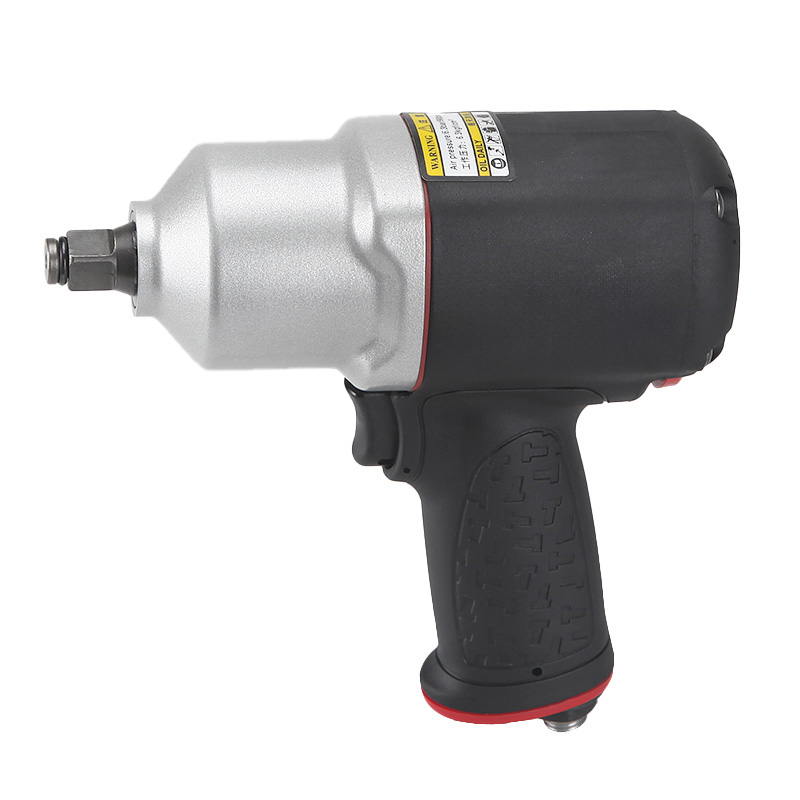
A good supplier should do more than send quotations. Buyers should expect product clarity, honest guidance, and support that fits their market. A trustworthy partner should be able to explain which model suits light-duty work, which one fits heavier industrial tasks, and how different designs address access limitations or user fatigue.
Buyers should also expect consistency in quality, communication, and delivery planning. If customization is important, the supplier should be able to discuss options clearly rather than vaguely promising everything. If you sell into different channels, it helps when the supplier understands how packaging, labeling, and product positioning affect your business.
In the end, the best Air Impact Wrench is not merely the one with an attractive specification sheet. It is the one that improves daily efficiency, keeps performance predictable, feels manageable in the operator’s hand, and comes from a supplier capable of supporting real purchasing decisions.
FAQ
What is an air impact wrench mainly used for?
It is mainly used for loosening and tightening bolts and nuts quickly, especially in automotive repair, machinery maintenance, equipment service, and industrial assembly.
Which matters more, torque or drive size?
Both matter. Torque affects fastening power, while drive size affects socket compatibility and the practical application range. A suitable balance is more important than focusing on only one factor.
Is an air impact wrench better for heavy-duty work?
In many workshop environments, yes. It is often preferred where compressed air systems are available and repeated high-force fastening tasks are common.
Do lighter tools always mean better usability?
Not always, but lower weight and better balance usually improve comfort during long periods of use. The best option combines manageable weight with enough power for the job.
How can I avoid buying the wrong model?
Start with your real application. Check fastener sizes, required torque, working space, air supply conditions, and how often the tool will be used. That gives a better answer than comparing price alone.
What Is the Smart Next Step If You Are Ready to Upgrade
If your current fastening process is costing you time, control, or tool life, now is the right time to review a better solution. A well-matched Air Impact Wrench can help your team work faster, reduce fatigue, and handle demanding fastening tasks with more confidence. If you are evaluating models, comparing specifications, or planning a bulk purchase, contact us to discuss the right option for your market and application needs.
Related News
- Why Is a Manual Air Pressure Spray Paint Tank the Best Choice for Consistent and Professional Coating Results
- How Can a 20L/5gal Pneumatic Grease Pump Improve Industrial Lubrication Efficiency
- How Can a Short Nozzle Air Blow Gun Improve Industrial Cleaning Efficiency and Precision
- How Can a 3/8 Inch Air Drill Improve Your Industrial Drilling Efficiency and Precision
- Is a 3/8 inch Air Drill the Best Choice for Precision and Power in Modern Workshop Applications
- Why Is a PP Plastic Pneumatic Diaphragm Pump the Ideal Solution for Chemical and Industrial Fluid Transfer
Leave me a message