English
- English
- Español
- Português
- русский
- Français
- 日本語
- Deutsch
- tiếng Việt
- Italiano
- Nederlands
- ภาษาไทย
- Polski
- 한국어
- Svenska
- magyar
- Malay
- বাংলা ভাষার
- Dansk
- Suomi
- हिन्दी
- Pilipino
- Türkçe
- Gaeilge
- العربية
- Indonesia
- Norsk
- تمل
- český
- ελληνικά
- український
- Javanese
- فارسی
- தமிழ்
- తెలుగు
- नेपाली
- Burmese
- български
- ລາວ
- Latine
- Қазақша
- Euskal
- Azərbaycan
- Slovenský jazyk
- Македонски
- Lietuvos
- Eesti Keel
- Română
- Slovenski
What Is an Air Rivet Nut Gun and Why Is It Essential for Modern Industrial Fastening
In today’s manufacturing and assembly industries, efficiency, precision, and durability are non-negotiable. The Air Rivet Nut Gun has emerged as one of the most reliable fastening tools for professionals working with sheet metal, automotive components, aerospace structures, and industrial enclosures. This comprehensive guide explores how pneumatic rivet nut tools work, their advantages over manual alternatives, key technical parameters, maintenance practices, and how to choose the right model for your business.
Whether you are a distributor, manufacturer, or workshop technician, understanding the mechanics and benefits of a high-quality pneumatic rivet nut tool can dramatically improve productivity and fastening consistency. This article also highlights industry applications and introduces WYMA as a trusted manufacturer of professional air rivet nut guns.
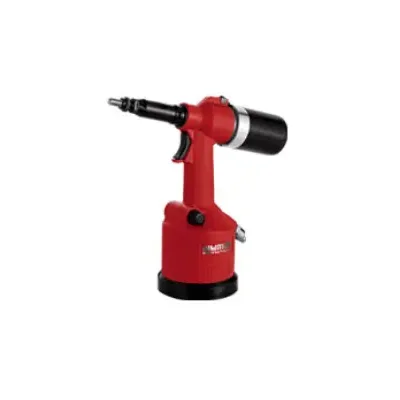
Table of Contents
- What Is an Air Rivet Nut Gun?
- How Does a Pneumatic Rivet Nut Tool Work?
- Why Choose an Air Rivet Nut Gun Over Manual Tools?
- Industrial Applications
- Technical Specifications and Performance Parameters
- How to Choose the Right Air Rivet Nut Gun?
- Maintenance and Best Practices
- Why Choose WYMA as Your Supplier?
- Frequently Asked Questions (FAQ)
1. What Is an Air Rivet Nut Gun?
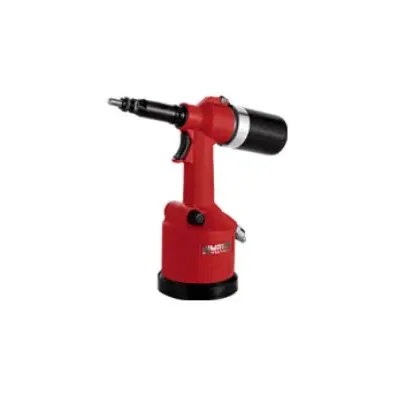
An Air Rivet Nut Gun, also known as a pneumatic rivet nut tool or air powered rivnut gun, is a compressed air-driven fastening device designed to install threaded rivet nuts (also called nutserts) into thin materials such as sheet metal, aluminum, plastic, and composite panels.
Unlike traditional bolts that require access to both sides of a workpiece, rivet nuts allow blind installation. This makes them ideal for hollow sections, tubing, and enclosed structures.
Core Components
- Pneumatic cylinder system
- Pulling mandrel
- Threaded nosepieces (M3–M12 or custom sizes)
- Air inlet connection
- Trigger control mechanism
The tool uses compressed air to generate axial pulling force, collapsing the rivet nut inside the material and forming a secure threaded insert.
2. How Does a Pneumatic Rivet Nut Tool Work?
The installation process typically follows these steps:
- Drill a pre-sized hole in the workpiece.
- Thread the rivet nut onto the mandrel.
- Insert the rivet nut into the hole.
- Pull the trigger to activate compressed air pressure.
- The mandrel pulls and deforms the rivet nut, securing it in place.
- The tool automatically releases after installation.
Working Principle
When activated, the internal piston moves backward under air pressure. This backward motion pulls the threaded mandrel, compressing the rivet nut body and forming a bulge behind the material surface. Once the deformation is complete, the motor reverses, unscrewing the mandrel automatically.
Compared to manual rivet nut tools, pneumatic models deliver:
- Higher pulling force
- Consistent torque output
- Reduced operator fatigue
- Faster cycle times
3. Why Choose an Air Rivet Nut Gun Over Manual Tools?
| Feature | Manual Rivet Nut Tool | Air Rivet Nut Gun |
|---|---|---|
| Installation Speed | Slow | High-speed automation |
| Operator Fatigue | High | Minimal |
| Pulling Force | Limited | High and adjustable |
| Consistency | Operator dependent | Uniform results |
| Production Suitability | Small batches | Mass production |
Key Advantages
- Improved productivity in assembly lines
- Precise thread integrity
- Lower long-term labor cost
- Suitable for heavy-duty industrial applications
4. Industrial Applications
The Air Rivet Nut Gun is widely used across industries:
Automotive Manufacturing
- Chassis assembly
- Interior panel fastening
- Battery enclosure installation
Aerospace & Aviation
- Lightweight structural fastening
- Composite material assembly
Sheet Metal Fabrication
- Electrical cabinets
- HVAC ducting systems
Furniture & Equipment Manufacturing
- Metal frame construction
- Appliance housing assembly
In high-volume operations, investing in a professional Air Rivet Nut Gun ensures reliable and repeatable results.
5. Technical Specifications and Performance Parameters
| Parameter | Typical Range |
|---|---|
| Operating Pressure | 5–7 Bar |
| Pulling Force | 8,000–20,000 N |
| Applicable Rivet Nut Sizes | M3–M12 |
| Weight | 1.5–2.5 kg |
| Material Compatibility | Aluminum, Steel, Stainless Steel |
Advanced models may feature adjustable stroke settings, ergonomic grip design, and quick-change mandrel systems.
6. How to Choose the Right Air Rivet Nut Gun?
Consider These Factors:
- Production Volume: High-output factories require heavy-duty models.
- Rivet Nut Size Range: Ensure compatibility with M-sizes used in your production.
- Material Type: Stainless steel rivet nuts require higher pulling force.
- Air Supply Stability: Check compressor capacity.
- Ergonomics: Lightweight design reduces fatigue.
Choosing a reliable manufacturer ensures durability, spare parts availability, and technical support.
7. Maintenance and Best Practices
Daily Maintenance
- Lubricate air inlet system
- Clean mandrel threads
- Inspect for air leakage
Periodic Maintenance
- Replace worn mandrels
- Check piston seals
- Calibrate pulling stroke
Proper maintenance extends service life and ensures consistent fastening performance.
8. Why Choose WYMA as Your Air Rivet Nut Gun Supplier?
WYMA is a professional manufacturer specializing in pneumatic fastening tools. With strict quality control systems and advanced production technology, WYMA ensures every Air Rivet Nut Gun meets industrial-grade standards.
WYMA Advantages
- Durable aluminum alloy body construction
- High pulling force output
- Stable air valve control system
- Comprehensive size compatibility
- Global export experience
Whether you are sourcing for distribution or factory use, WYMA provides reliable solutions backed by technical expertise.
9. Frequently Asked Questions (FAQ)
Q1: What is the difference between a rivet gun and an air rivet nut gun?
A rivet gun installs solid rivets, while an air rivet nut gun installs threaded inserts that allow bolt fastening.
Q2: Can pneumatic rivet nut tools handle stainless steel rivet nuts?
Yes, heavy-duty models are specifically designed for high-strength materials such as stainless steel.
Q3: What air pressure is required?
Most tools operate efficiently between 5–7 bar compressed air.
Q4: How long does an air rivet nut gun last?
With proper maintenance, professional-grade models can operate for several years in industrial environments.
Q5: Is training required?
Basic operator training is recommended to ensure correct installation and safety.
Conclusion
The Air Rivet Nut Gun has become an indispensable tool in modern manufacturing. Its efficiency, precision, and durability make it ideal for industries demanding high-quality threaded fastening solutions. By investing in a professional pneumatic rivet nut tool, businesses can significantly improve productivity while maintaining consistent assembly standards.
If you are looking for a reliable and high-performance Air Rivet Nut Gun supplier, WYMA offers professional solutions tailored to industrial needs. Upgrade your fastening efficiency today — contact us to learn more about our pneumatic rivet nut tool solutions and customized support services.
Related News
- Why Is a Manual Air Pressure Spray Paint Tank the Best Choice for Consistent and Professional Coating Results
- How Can a 20L/5gal Pneumatic Grease Pump Improve Industrial Lubrication Efficiency
- How Can a Short Nozzle Air Blow Gun Improve Industrial Cleaning Efficiency and Precision
- How Can a 3/8 Inch Air Drill Improve Your Industrial Drilling Efficiency and Precision
- Is a 3/8 inch Air Drill the Best Choice for Precision and Power in Modern Workshop Applications
- Why Is a PP Plastic Pneumatic Diaphragm Pump the Ideal Solution for Chemical and Industrial Fluid Transfer
Leave me a message