English
- English
- Español
- Português
- русский
- Français
- 日本語
- Deutsch
- tiếng Việt
- Italiano
- Nederlands
- ภาษาไทย
- Polski
- 한국어
- Svenska
- magyar
- Malay
- বাংলা ভাষার
- Dansk
- Suomi
- हिन्दी
- Pilipino
- Türkçe
- Gaeilge
- العربية
- Indonesia
- Norsk
- تمل
- český
- ελληνικά
- український
- Javanese
- فارسی
- தமிழ்
- తెలుగు
- नेपाली
- Burmese
- български
- ລາວ
- Latine
- Қазақша
- Euskal
- Azərbaycan
- Slovenský jazyk
- Македонски
- Lietuvos
- Eesti Keel
- Română
- Slovenski
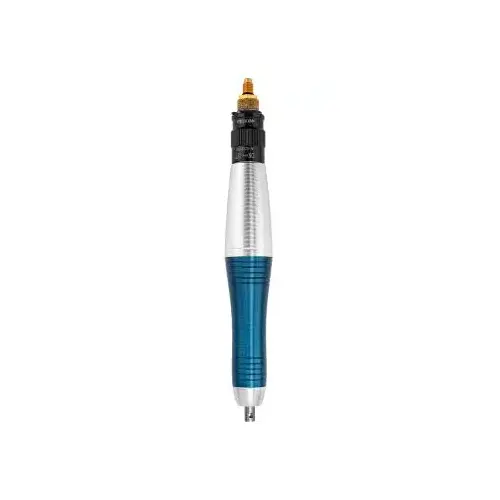
What Is an Air Ultrasonic Grinder and Why Is It Transforming Precision Surface Finishing in Modern Manufacturing
The Air Ultrasonic Grinder is redefining precision grinding, polishing, and micro-finishing across aerospace, mold manufacturing, medical devices, electronics, and advanced industrial sectors. By combining pneumatic power with ultrasonic vibration technology, this innovative tool delivers superior material removal control, reduced operator fatigue, and exceptional surface finish quality.
In this comprehensive guide, we explore how air ultrasonic grinding works, its core advantages, technical parameters, industrial applications, comparisons with conventional grinders, and why leading manufacturers choose WYMA as their trusted supplier.
Keyword Expansion – Powerful Question-Based Titles
- What Is an Air Ultrasonic Grinder and How Does It Improve Precision Polishing?
- Why Should You Choose an Air Ultrasonic Grinder Over Traditional Pneumatic Grinders?
- How Does Ultrasonic Vibration Enhance Surface Finishing Efficiency?
- What Industries Benefit Most from Air Ultrasonic Grinding Technology?
- Can an Air Ultrasonic Grinder Reduce Tool Wear and Improve Production Speed?
- Is Ultrasonic Grinding the Future of Micro Machining and Mold Finishing?
- How Does an Air-Powered Ultrasonic Grinder Improve Deburring Accuracy?
Table of Contents
- 1. What Is an Air Ultrasonic Grinder?
- 2. How Does an Air Ultrasonic Grinder Work?
- 3. Key Technical Specifications
- 4. Major Advantages Over Conventional Grinders
- 5. Industrial Applications
- 6. Comparison Table: Ultrasonic vs Traditional Grinding
- 7. How to Choose the Right Air Ultrasonic Grinder
- 8. Maintenance and Safety Guidelines
- 9. Why Choose WYMA?
- 10. FAQ – Air Ultrasonic Grinder
1. What Is an Air Ultrasonic Grinder?
An Air Ultrasonic Grinder is a precision finishing tool that integrates compressed air power with high-frequency ultrasonic vibration. Unlike traditional grinders that rely solely on rotational or linear mechanical force, ultrasonic grinders introduce micro-amplitude vibration—typically at frequencies around 20,000 to 40,000 Hz—to significantly enhance surface processing efficiency.
The result is smoother finishes, improved dimensional control, reduced heat generation, and minimized tool wear. This technology is especially beneficial in mold polishing, die finishing, intricate cavity grinding, and delicate component processing.
2. How Does an Air Ultrasonic Grinder Work?
The working principle combines two systems:
- Pneumatic Drive System: Compressed air powers the tool, ensuring stable and consistent output.
- Ultrasonic Vibration System: An ultrasonic generator converts electrical energy into high-frequency mechanical vibration.
The ultrasonic vibration is transmitted to the grinding tip, producing micro-impact actions that enhance abrasive contact with the workpiece surface. This process:
- Reduces friction resistance
- Improves material removal rate
- Enhances surface uniformity
- Minimizes burr formation
The synergy between air power and ultrasonic vibration creates controlled micro-cutting action, ideal for high-precision industries.
3. Key Technical Specifications
| Parameter | Typical Range |
|---|---|
| Ultrasonic Frequency | 20 kHz – 40 kHz |
| Vibration Amplitude | 10 – 30 μm |
| Air Pressure Requirement | 0.5 – 0.7 MPa |
| Power Output | Adjustable |
| Application Types | Polishing, Deburring, Finishing, Micro Grinding |
4. Major Advantages Over Conventional Grinders
1. Superior Surface Finish
Ultrasonic vibration significantly reduces surface roughness and improves micro-structure consistency.
2. Reduced Heat Generation
The micro-impact action reduces friction, preventing overheating and preserving material integrity.
3. Increased Efficiency
- Higher material removal rate
- Shorter polishing cycles
- Lower rework rates
4. Lower Tool Wear
Ultrasonic vibration reduces resistance during grinding, extending tool lifespan.
5. Improved Operator Comfort
Reduced vibration feedback to the operator helps decrease fatigue during long working sessions.
5. Industrial Applications
Mold and Die Manufacturing
Precision cavity finishing, corner polishing, and fine detail enhancement.
Aerospace Industry
Finishing turbine components and high-performance alloy parts.
Medical Device Manufacturing
Micro finishing of surgical tools and implant components.
Electronics Industry
Delicate component finishing without damaging fragile surfaces.
Automotive Industry
Engine component deburring and precision mold finishing.
6. Comparison Table: Ultrasonic vs Traditional Grinding
| Feature | Air Ultrasonic Grinder | Traditional Pneumatic Grinder |
|---|---|---|
| Surface Finish Quality | Excellent | Moderate |
| Heat Generation | Low | High |
| Tool Wear | Reduced | Higher |
| Precision Control | High | Medium |
| Operator Fatigue | Low | Moderate |
7. How to Choose the Right Air Ultrasonic Grinder
- Check ultrasonic frequency stability
- Confirm compatibility with abrasive tools
- Evaluate ergonomic design
- Assess air consumption efficiency
- Verify supplier technical support
Selecting a reputable manufacturer like WYMA ensures consistent quality, technical expertise, and global service support.
8. Maintenance and Safety Guidelines
- Maintain stable air pressure supply
- Regularly inspect vibration tips
- Clean air filters to prevent contamination
- Use protective equipment during operation
- Store in dry and dust-free environment
9. Why Choose WYMA?
WYMA is committed to delivering advanced ultrasonic finishing solutions tailored to industrial precision requirements. With strong R&D capabilities and strict quality control standards, WYMA provides:
- Reliable ultrasonic technology
- High-performance pneumatic systems
- Competitive global pricing
- Comprehensive technical support
- Customizable solutions
By combining innovation with durability, WYMA continues to support manufacturers seeking improved productivity and superior finishing performance.
10. FAQ – Air Ultrasonic Grinder
Q1: What materials can an air ultrasonic grinder process?
It can process steel, hardened alloys, aluminum, titanium, ceramics, and composite materials.
Q2: Is ultrasonic grinding suitable for delicate surfaces?
Yes, its micro-amplitude vibration ensures controlled material removal with minimal surface damage.
Q3: Does ultrasonic grinding improve production speed?
Yes, higher efficiency and reduced rework significantly enhance overall productivity.
Q4: What air pressure is required?
Most models operate efficiently between 0.5–0.7 MPa.
Q5: How does ultrasonic technology reduce tool wear?
By minimizing friction and distributing force evenly during micro-impact action.
Conclusion: Is an Air Ultrasonic Grinder Worth the Investment?
If your manufacturing process demands high precision, improved surface quality, reduced tool wear, and enhanced efficiency, investing in an Air Ultrasonic Grinder is a strategic move. As industries move toward tighter tolerances and smarter production systems, ultrasonic finishing technology is becoming a competitive necessity rather than a luxury.
Partner with WYMA to elevate your precision finishing capabilities and gain a sustainable manufacturing advantage. Ready to optimize your production performance? Contact us today to explore customized ultrasonic grinding solutions tailored to your industry needs.
Related News
- Why Is a Manual Air Pressure Spray Paint Tank the Best Choice for Consistent and Professional Coating Results
- How Can a 20L/5gal Pneumatic Grease Pump Improve Industrial Lubrication Efficiency
- How Can a Short Nozzle Air Blow Gun Improve Industrial Cleaning Efficiency and Precision
- How Can a 3/8 Inch Air Drill Improve Your Industrial Drilling Efficiency and Precision
- Is a 3/8 inch Air Drill the Best Choice for Precision and Power in Modern Workshop Applications
- Why Is a PP Plastic Pneumatic Diaphragm Pump the Ideal Solution for Chemical and Industrial Fluid Transfer
Leave me a message